
What’s the point of being “PEAK” if your story doesn’t do anything useful for the world?
Disclaimer
I will be hating on JJK for the first half of this blog post. This is done for dramatic effect, as I will be glazing the show like crazy afterward 👍
The Pragmatics of Stories
In Grade 8 English class, I was taught that the theme of a story is its most important element. Depending on your teacher’s definition, a theme could be a single word or an entire statement. As such, while some teachers might identify the theme of Romeo and Juliet as “love,” others define its theme as “when rushed, love is catastrophic.”
My teacher taught this second definition of theme because, after all, if a theme is what an author is trying to say to the audience, then a longer, specific statement would naturally achieve this goal better than a single word could.
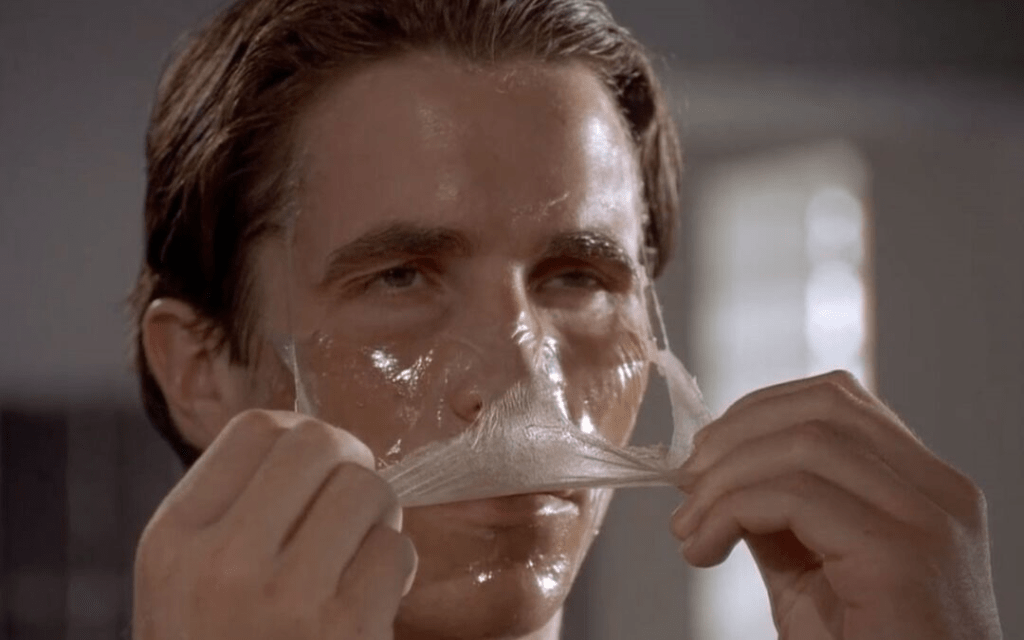
Beyond defining the word theme, my teacher also taught that the theme is the most important part of a story because it’s the pragmatic justification for the story’s entire existence. The purpose of “Three Little Pigs” isn’t just to entertain children at bedtime—its purpose is to teach kids that “hard work will pay off.” Likewise, the purpose of American Psycho isn’t just to be in Instagram Reel phonk edits—its purpose is to exhibit how “overconsumerism results in alienation and violence.”
The theme is why a story exists. Every aspect of a story should add to the nuance of its theme. And because a theme is what a story provides society with, without its theme, a story is useless to the world and becomes relegated to what my peers, teachers, and professors would call “shallow literature.” (Or as the internet would call it: Trash).
With all this in mind, I feel guilty for liking Jujutsu Kaisen—a seemingly purposeless show that doesn’t give two flying fucks about providing society any sort of grand theme!
Limme Hate on JJK for a Minute Real Quick
Admittedly, JJK does have a theme. As a matter of fact, it has multiple! Gege Akutami (creator of JJK) critiques work culture through Nanami, patriarchy through Maki, justice through Higuruma, and a plethora of other social topics through the manga and anime’s massive cast. But that’s exactly where the problem arises: Gege tries to do TOO much. The examples of theme I’ve listed above are all solved, completed, or abandoned within a matter of episodes, and Gege rarely attempts to portray these themes beyond X = bad, so the good character must fight X.
Occasionally, Gege does introduce more nuance in his explorations of certain topics. In the episode released last Thursday (Jesus Christ I took a long hiatus while writing this blog), Higuruma’s nihilistic view of the justice system despite the vast majority of the episode depicting him as a paragon of righteousness does encourage audiences to reflect upon their static ideology of the Culling Game as being inarguably evil. However, when it comes to an example like critiquing the patriarchy through Maki’s character arc, Gege’s depiction of patriarchal oppression is almost pornographic with how comically evil the Zenin men are.
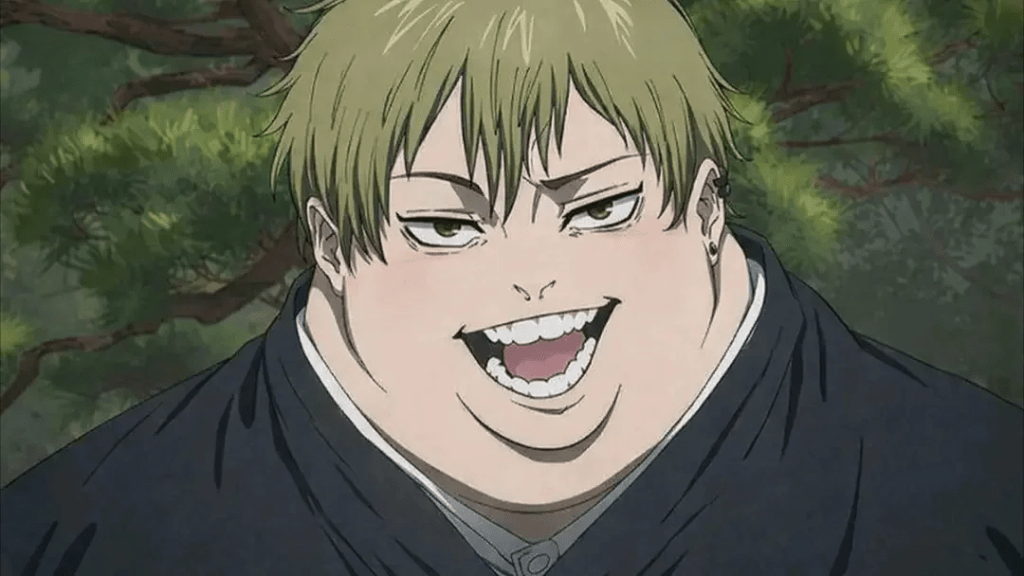
Of course, JJK can be “deep” (I hate that word) so long as you look at it the right way. I can totally write an essay on how when Maki slimes her family, Gege intentionally depicts her family’s prejudice and her subsequent insurgence as simplistic because given the uncompromising misogyny of the Zenin men, the only escape for Maki is the equally uncompromising action of just straight-up killing them all. But had that been the theme Gege was aiming for, he would’ve made it clearer in Maki’s pre-familicide mental gymnastic choice of sparing her family. Consequently, any depth regarding Maki’s arc beyond patriarchy = evil derives not from the text of JJK, but from the audience’s own interpretation, and in this sense, LITERALLY ANYTHING can be “deep” so long as audiences approach the text from the right angle.
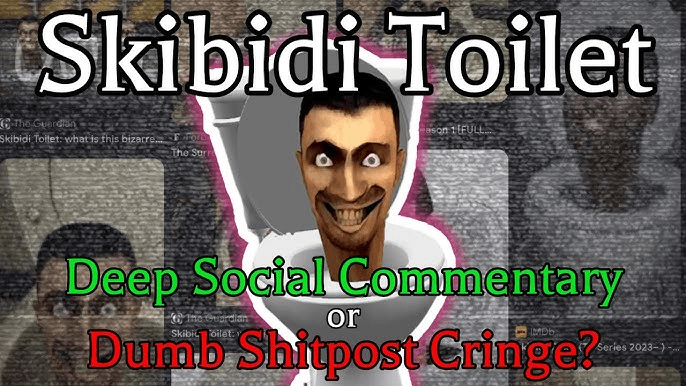
One search on the UBC Library shows that there are scholarly, peer-reviewed articles on Skibidi Toilet that discuss the brainrot YouTube series in relation to “Neo-English” and the “global surveillance apparatus.” But was that what DaFuq!?Boom! was trying to convey to his lucrative audience of predominantly children? Hell naw. The social meaning and implications of Skibidi Toilet is found by the audience—not within Skibidi Toilet itself. Likewise, what you can say JJK is about does not equate to what JJK actually says it is about.
In defence of JJK, a part of its unwillingness to explore its themes more thoroughly derives from its status as a shonen manga/anime. Although I couldn’t find a definite source, it’s a commonly shared fun fact amongst the JJK community that Gege only added a high school setting into JJK because his editor had forced him to. Additionally, shonen series aren’t particularly known for their literary merit—they’re known for having hype ass fight scenes that sell to as big of an audience as possible.
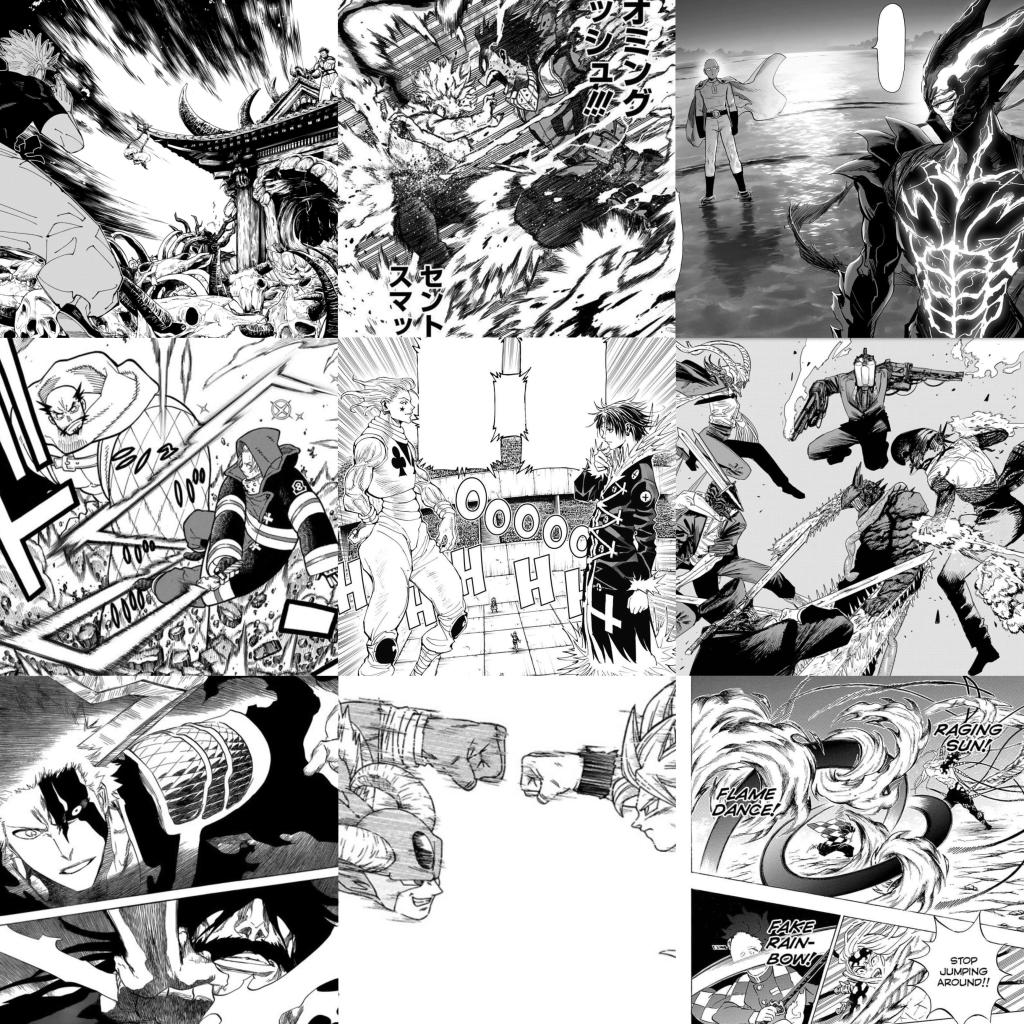
With that said, however, the existence of series such as Hunter x Hunter, Chainsaw Man, and Fullmetal Alchemist (all of which I’d argue are better written than JJK) prove that a shonen series can be successful amongst large audiences while still saying something new as a piece of literature. Moving beyond the shonen demographic of teenage boys, even children’s cartoons like Steven Universe and Bluey have successfully appealed to children without infantilizing their adult audiences.
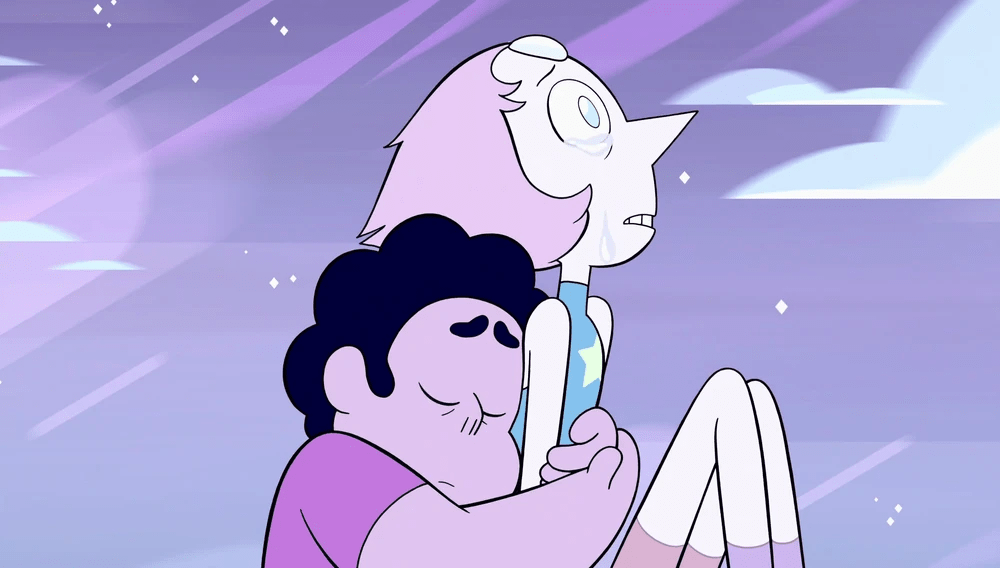
Yes, not every show has to appease an older audience. Little Einstein and Dora the Explorer shouldn’t be considered “literary trash” just because the purpose they strive to serve society is to teach children. But that is the common factor justifying the existence of media from shonen to children’s cartoons: they must serve a purpose to society. Without providing this social service, a text’s entire existence becomes reduced to predatory entertainment—marketable assets meant to consume the viewer’s attention without reciprocating anything of value in return.
As such, with its surface-level exploration of overdiversified themes and its high-budgeted fight scenes which primary purpose is for pure entertainment rather than literary substance, Jujutsu Kaisen doesn’t care.
But godDAMN do I love this show.
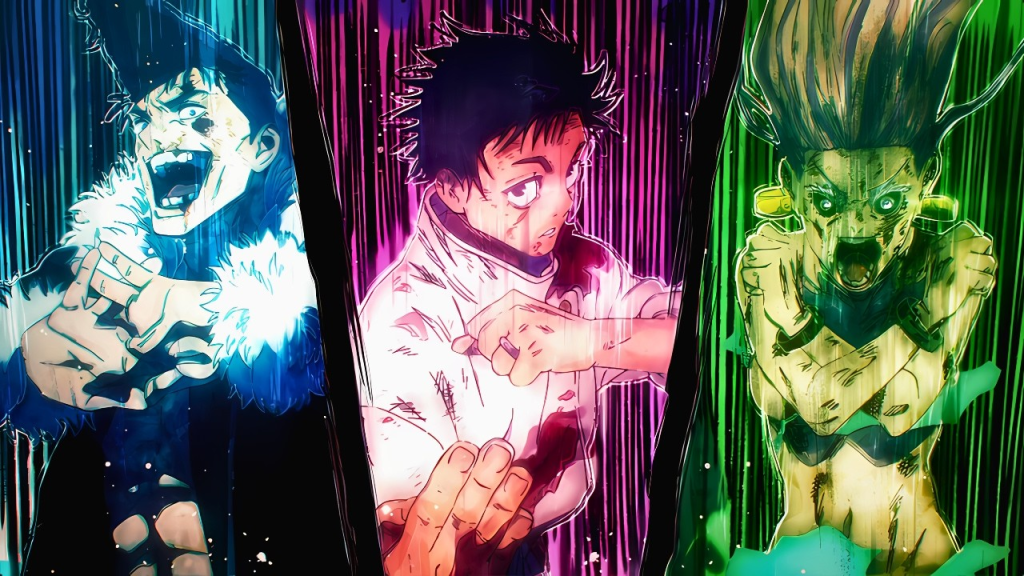
JJGlaze and Kirara
Jujutsu Kaisen… Boy oh boy! Where do I even begin? Oh wait, I know! I begin with the second season onwards!
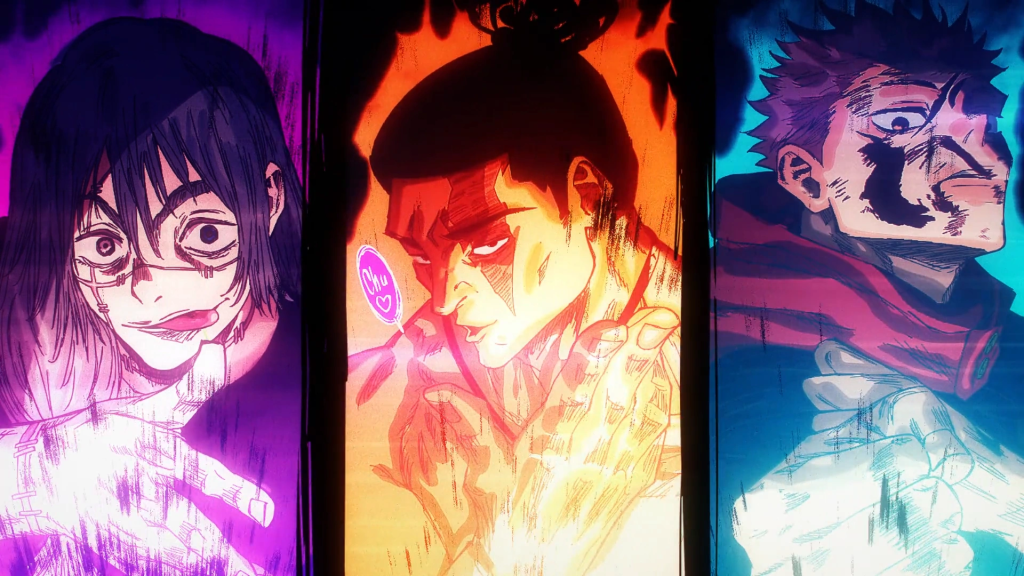
Ever since Shōta Goshozono took over as director, JJK has literally become the most spectacular anime I have ever seen. Admittedly, I’m not a cinephile, so I can’t fully understand what aspects of the production makes everything so cinematic. However, I am someone who spends way too much time watching anything and everything I can get my eyeballs on, and from that perspective, I can confidently say that JJK is the best looking and feeling anime I have ever seen—by a wide margin.
Just take a look at this!
And this!
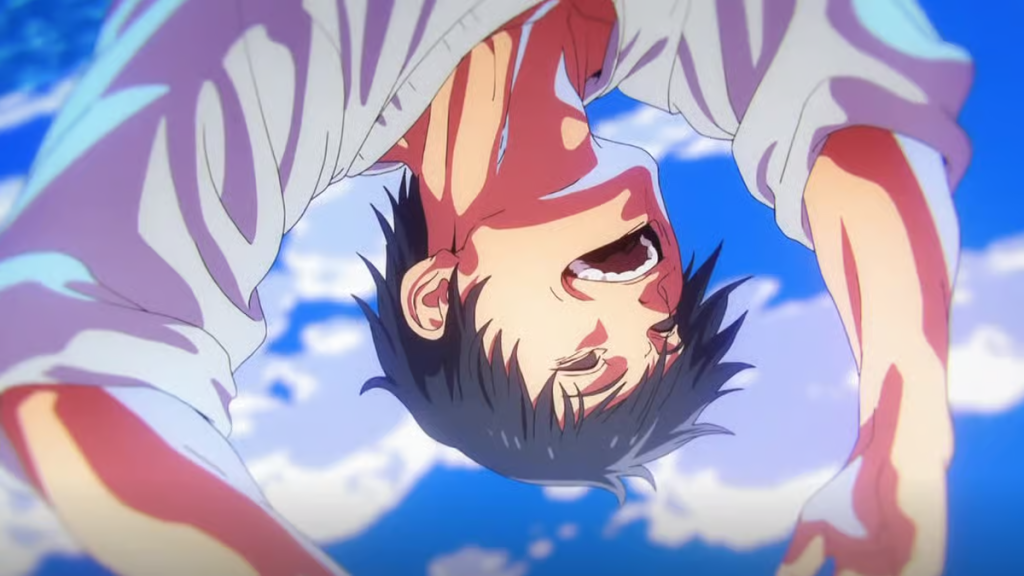
And this!
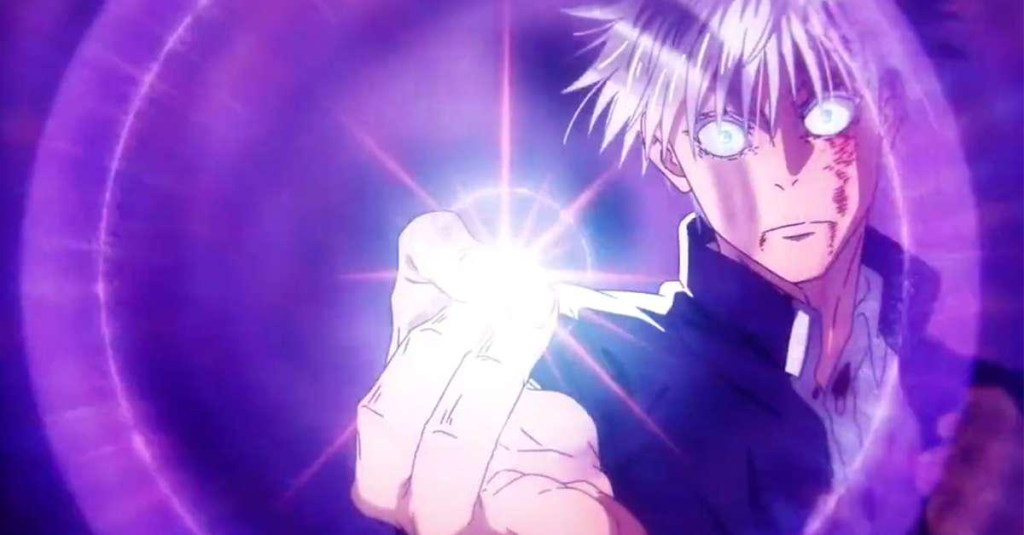
None of these still images can truly do the show justice, but I can almost guarantee that any JJK fan can recall exactly how they felt when these scenes came on!
Earlier, I had criticized JJK as a show that has a lot of budget but doesn’t strive to do much with it… I lied! Turns out MAPPA does make good use of its resources, and that is for the realm of animation.
JJK is a love letter to cinema, animation, and art as a whole. The show takes the pre-existing shonen genre and maxes it out to 200%. Yes, the character backstories are rushed and the narrative itself attempts to cover way too many themes with surface-level depth, but upon inverting the paradigm of animation serving story to story serving animation, the shallow villain-of-the-week format of JJK does make sense. Do I want a long build-up explaining Ryu and Uro’s backstory? Hell naw! Gimme the fight now! I want dessert!
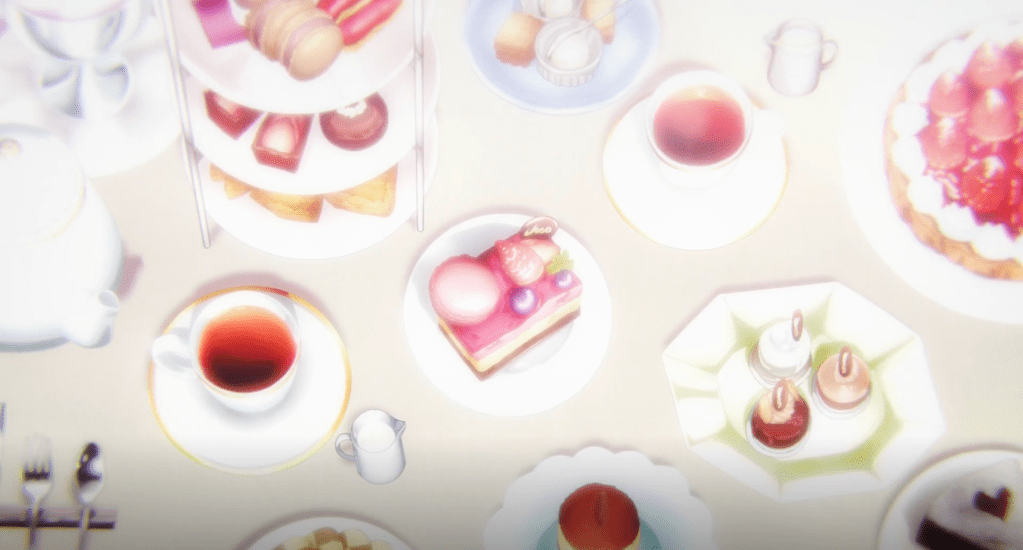
We wanna see more fight scenes.
We wanna see more of how the animators play with the medium.
We wanna see more explosions and cursed techniques and domain expansions and Higuruma crash outs!
Even when observing the cultural impact of JJK, nearly none of what’s become memed, popularized, and preserved online has anything to do with the story. Higuruma’s disillusionment with justice and the legal system aren’t memed, but you know what is? This:
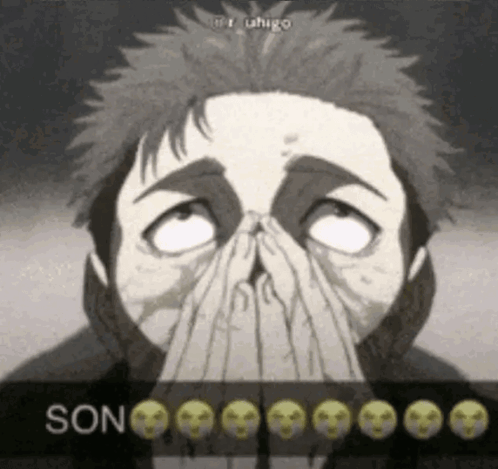
Likewise, departing from the anime, Gojo’s “Nah, I’d win” finds its place in the Gen Z zeitgeist not because Gojo himself is an inherently nuanced character, but because he’s just so fucking cool.
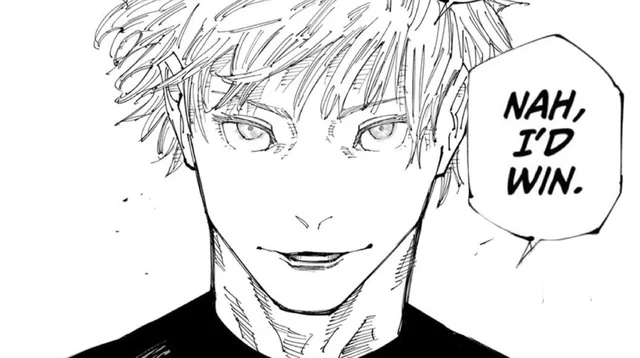
And everything that makes JJK what it is revolves around the cool. The show just does it so well.
From a utilitarian perspective, JJK’s lack of literary merit deems it almost irresponsible for me to call it an amazing show. You’re telling me MAPPA invested millions of dollars… for hype alone? What’s the big o’ point in doing that?! We’re supposed to help humanity or some shit like that!
Ironically, however, this utilitarian view of media as always serving a purpose for humanity betrays the same purpose that humanity itself exists for. To insult JJK, then, would be the equivalent of replacing all chefs in the world with nutritionists. Will I live a better life by eating healthier? Most definitely! But what am I even living for at that point if I can’t have my dessert?!
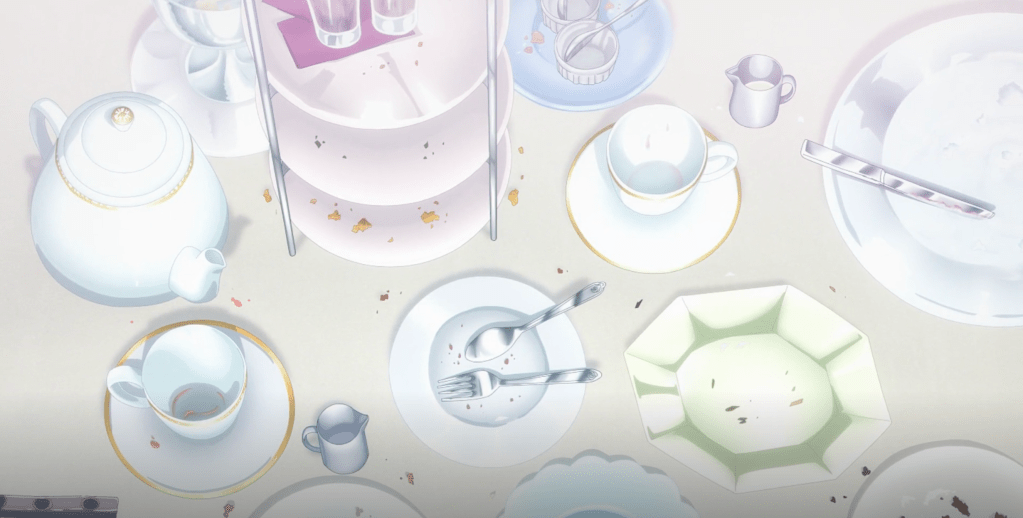
At the end of the day, JJK makes me feel good while pushing the boundaries and leading the way for dozens and hundreds and thousands of other future anime to follow. And that’s more than enough reason for anything to exist.
Beyond just art and cinema, another fundamental aspect of modern JJK worth analyzing is its popularity, and as a popular manga and show, JJK has become a platform of social change.
Again, many of JJK’s attempts at exploring its themes fall shallow, but the story still inarguably encourages viewers to think, and in that sense, change is made. Beyond direct themes, JJK also effectively utilizes its platform in more implicit manners.
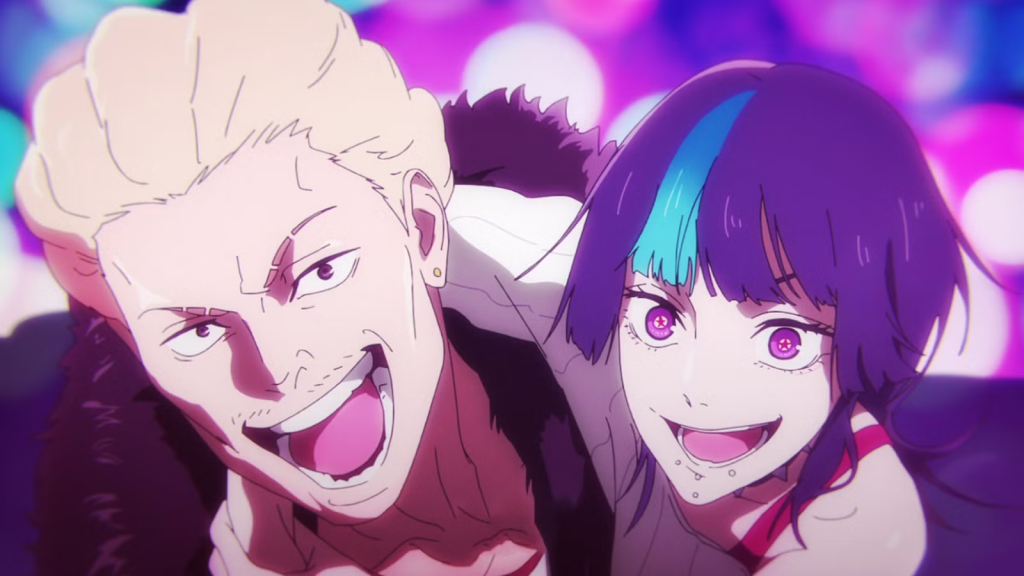
When I first watched Season 3 Episode 6, I was particularly surprised when Panda referred to Kirara in the male pronoun. Curious, I Googled Kirara’s gender and discovered that the internet doesn’t seem to have one clear consensus, a fact amplified by Gege’s refusal to discuss the topic of Kirara’s gender identity. Does Gege not care? Does Gege intentionally wanna leave it up to interpretation? Is the whole point that we’ll never know what Kirara identifies as? Idk. Kirara is just Kirara I guess.
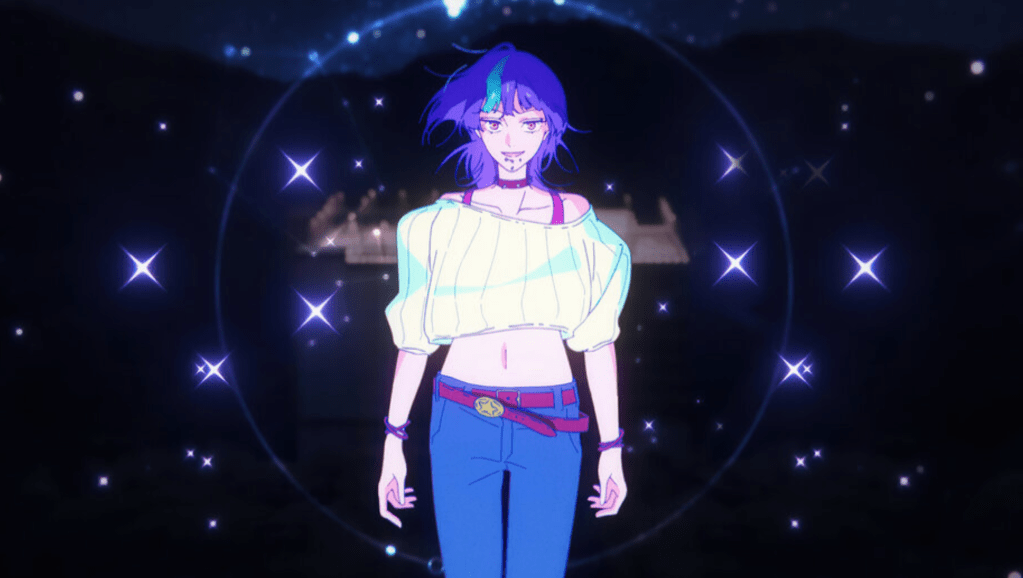
What makes Kirara interesting, then, is that Gege’s depiction of queer normality seems to be as shallow—and thus as naturalized—as the rest of the show’s underdeveloped themes, and through the popularity of JJK, Gege has effectively created a queer character who doesn’t preach yet encourages audiences to ask all the right questions. In this sense, even with its underdeveloped themes, JJK succeeds at queer representation and social change not because Gege is the next Judith Butler, but because Gege does not care—Jujutsu Kaisen does not care. And it’s in this state of not caring do I forfeit my doctrinal understanding of literary merit and just enjoy the absolute cinema before my eyes. It’s in this state of vulnerability do I confidently call Jujutsu Kaisen nothing less than my favourite anime of all time.
Thanks for reading.


Leave a Reply